
AI-powered call center automation for telecom
Reducing churn and wait times through intelligent customer interaction
reduction in average customer wait times
increase in customer satisfaction scores
decrease in client churn rates
IT-service type
Custom software development
Business vertical
Telecommunications
Tech stack
Node.js, Nest.js, React, TypeScript, PostgreSQL, TensorFlow, Kubernetes, GitLab CI, Apache Kafka
Partner
A large Eastern European telecom provider delivering internet, TV, and mobile services to millions of subscribers. Operating in a highly competitive market, the company competes primarily on service quality, response speed, and customer loyalty rather than pricing alone.
Partner’s challenges
The partner’s call center relied on a 7+ year-old legacy system that no longer supported business growth or customer expectations. As call volumes increased, operational inefficiencies directly affected churn and brand perception. Business goals included:
- Reduce customer wait times without expanding staff
- Improve service consistency across channels
- Lower churn driven by unresolved or poorly handled requests
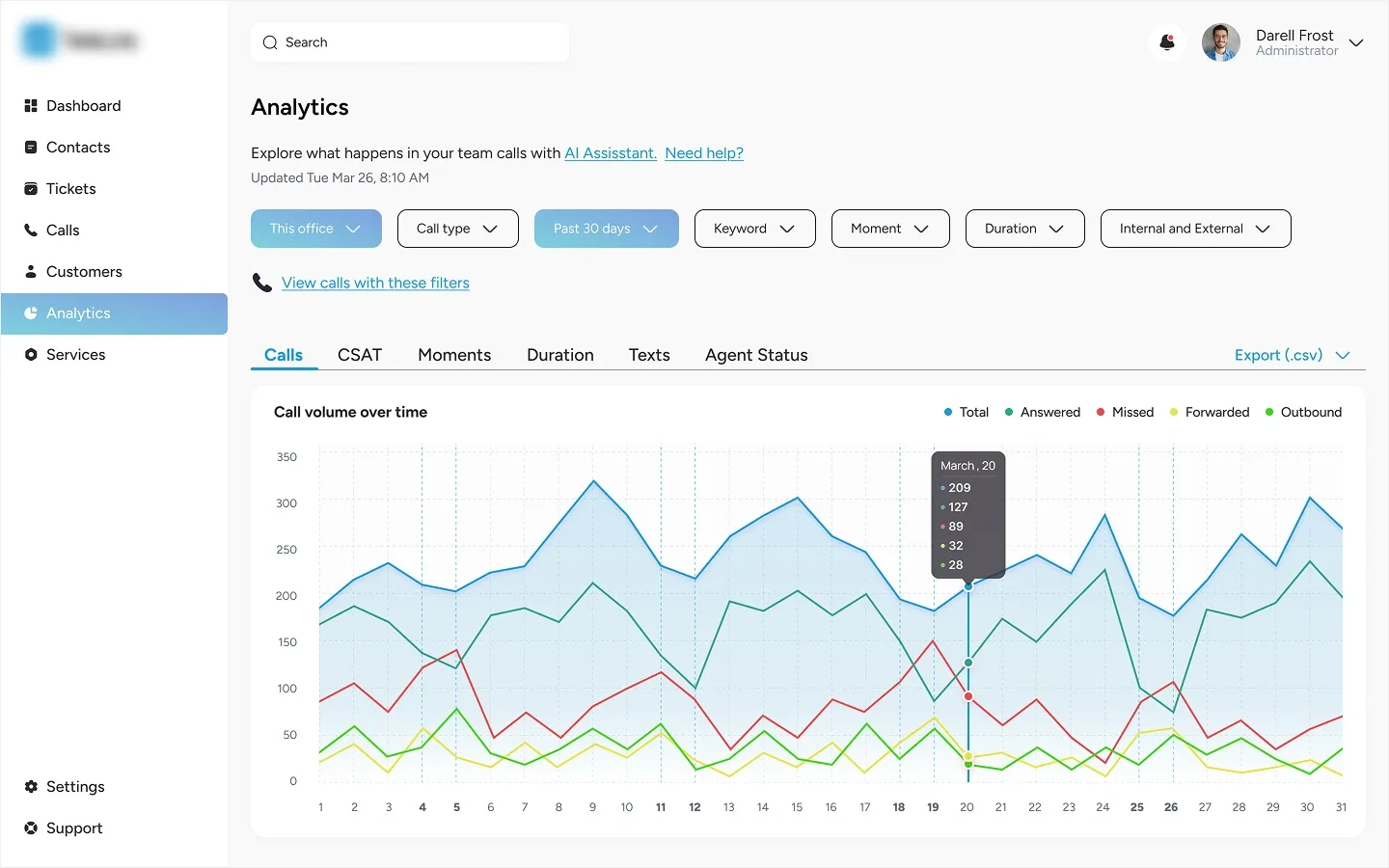
- Gain real-time visibility into call center performance
- Replace fragmented tools with a single scalable platform
Solutions proposed by Modsen
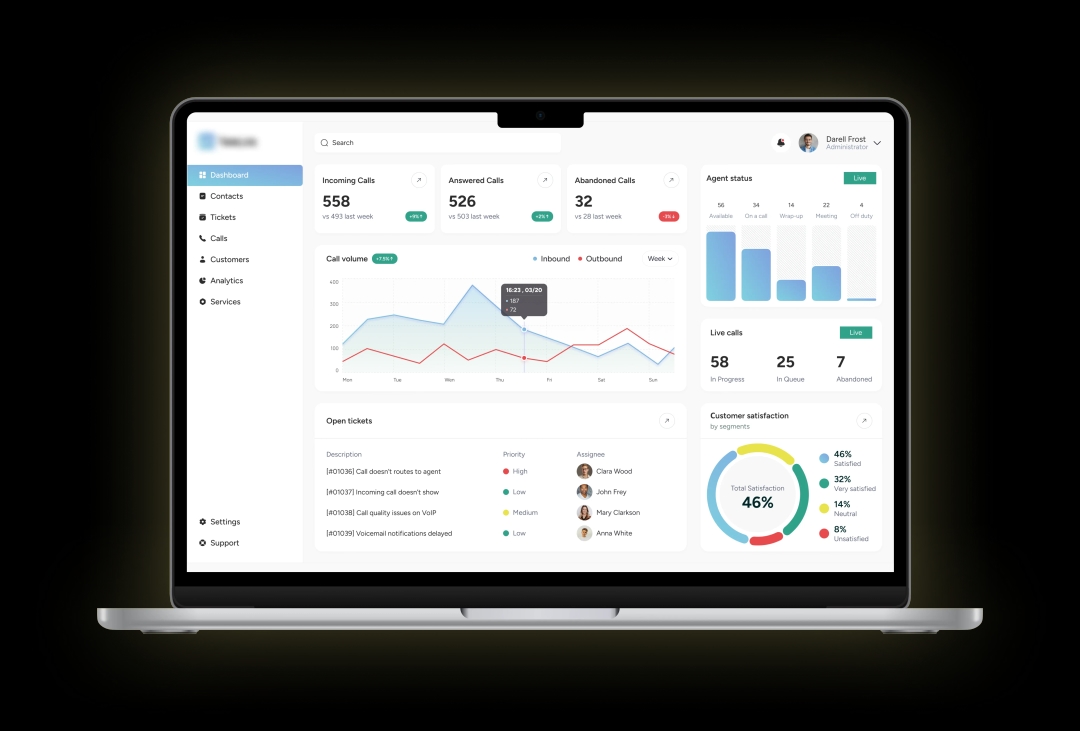
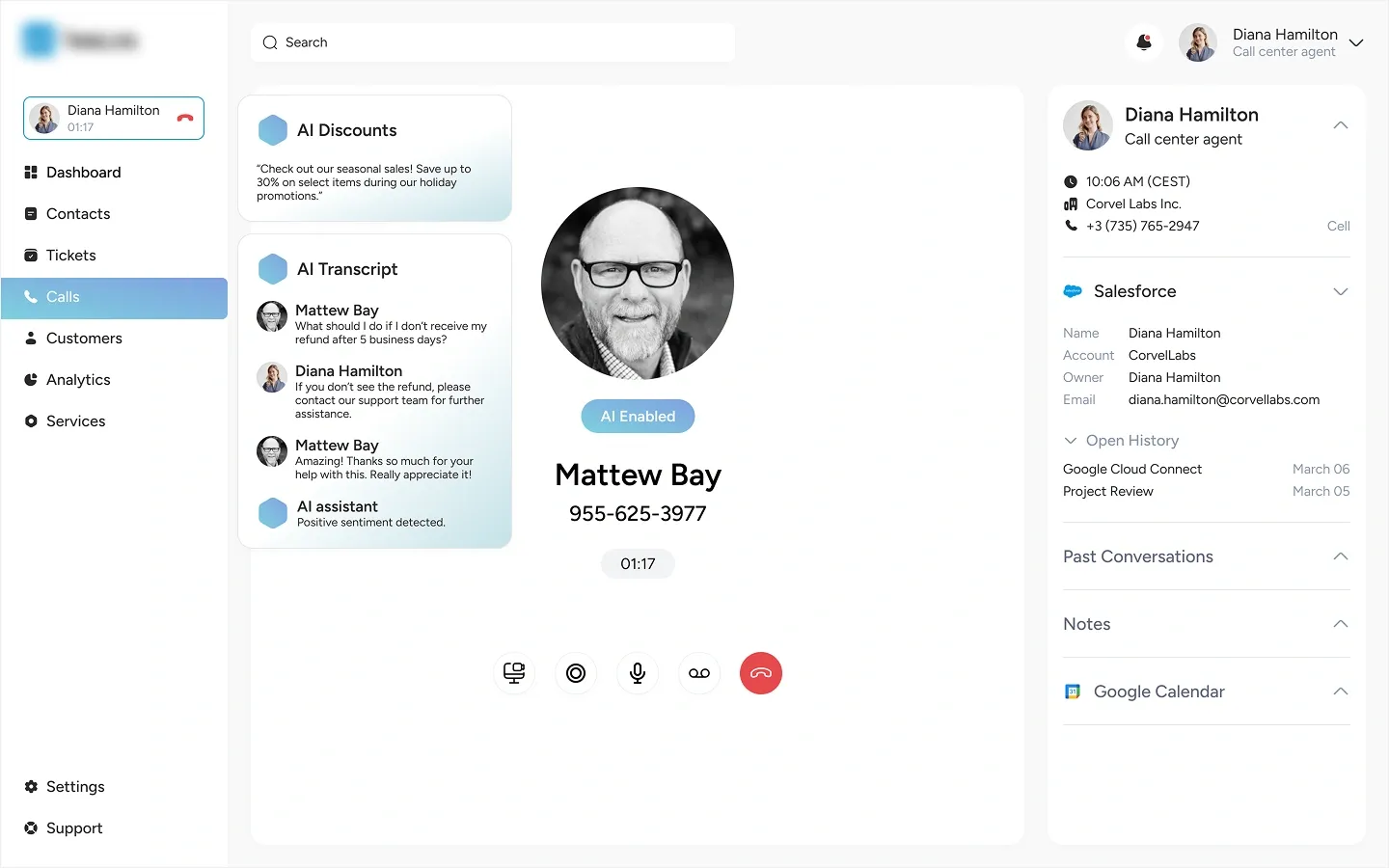
AI-driven call intent recognition and smart routing to the most relevant agents or departments

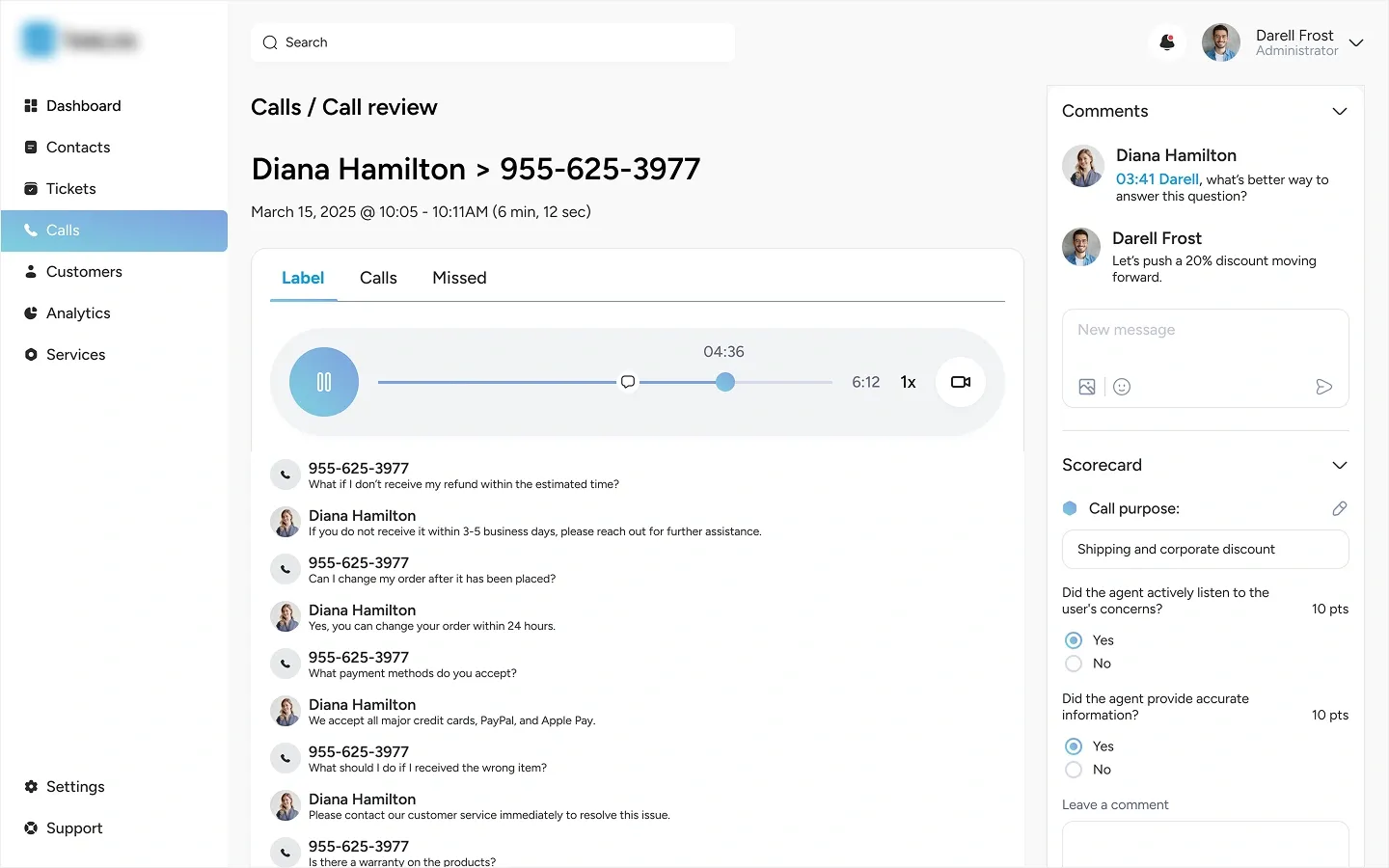
Real-time voice sentiment analysis for early detection of dissatisfied and high-risk customers
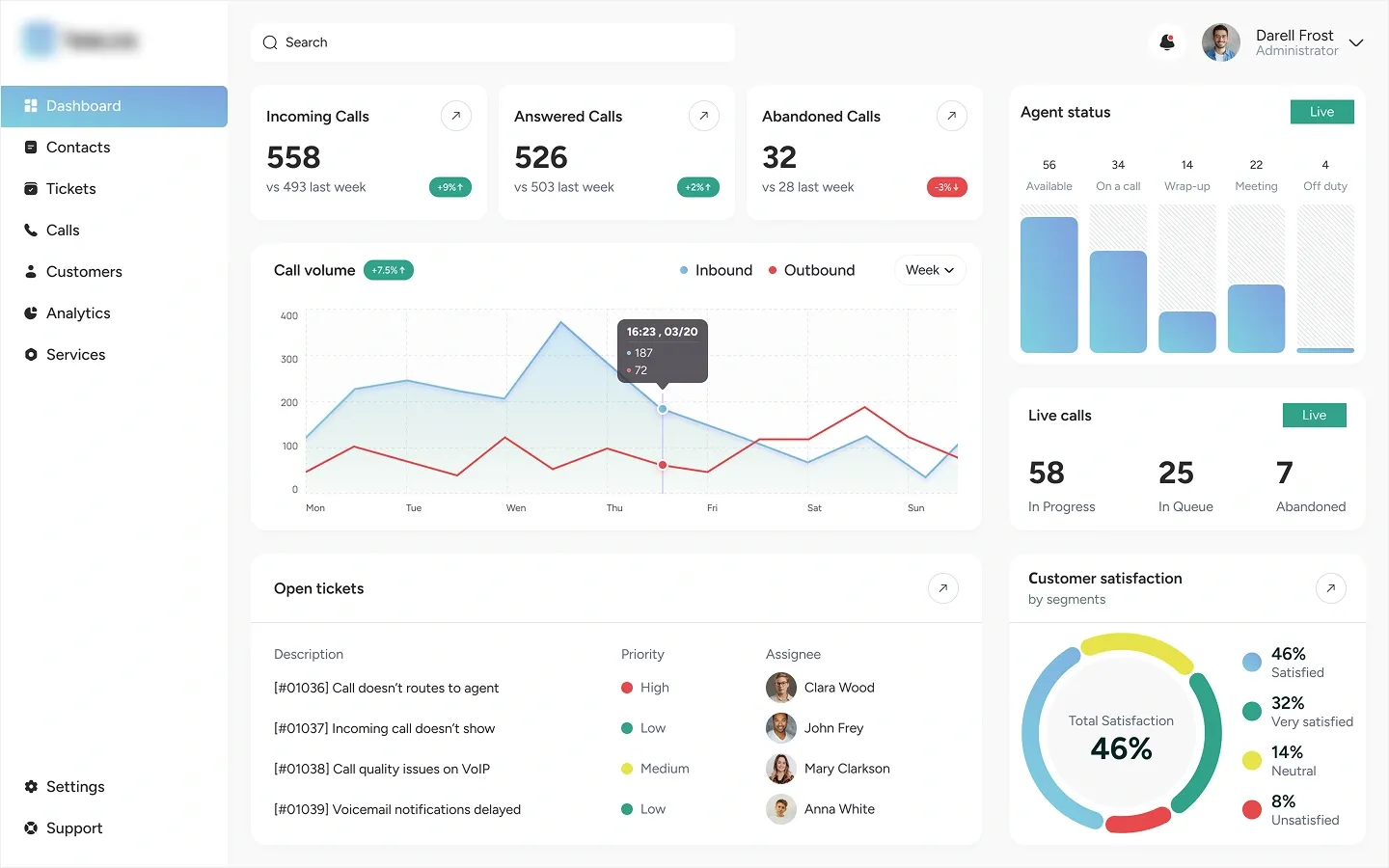
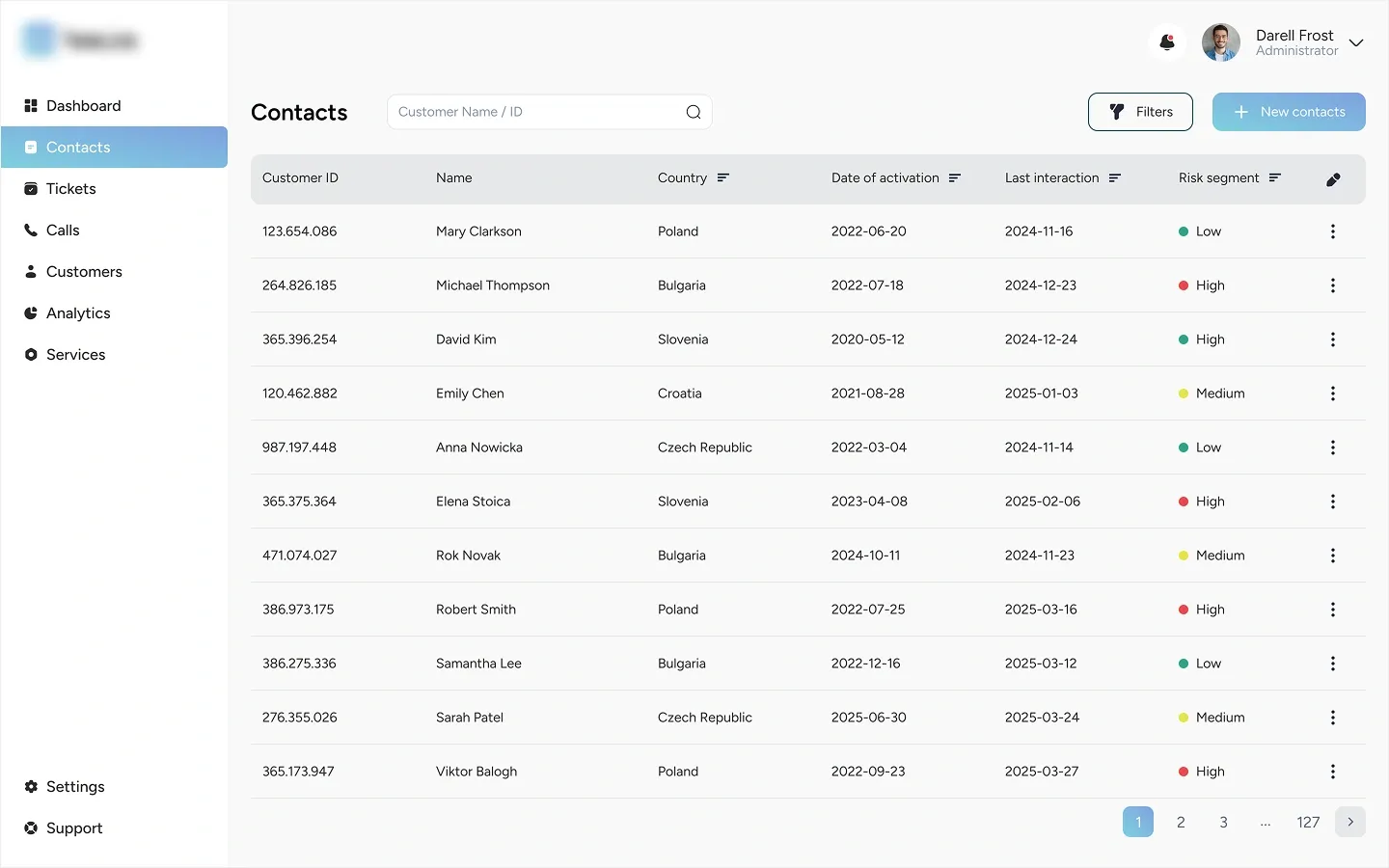
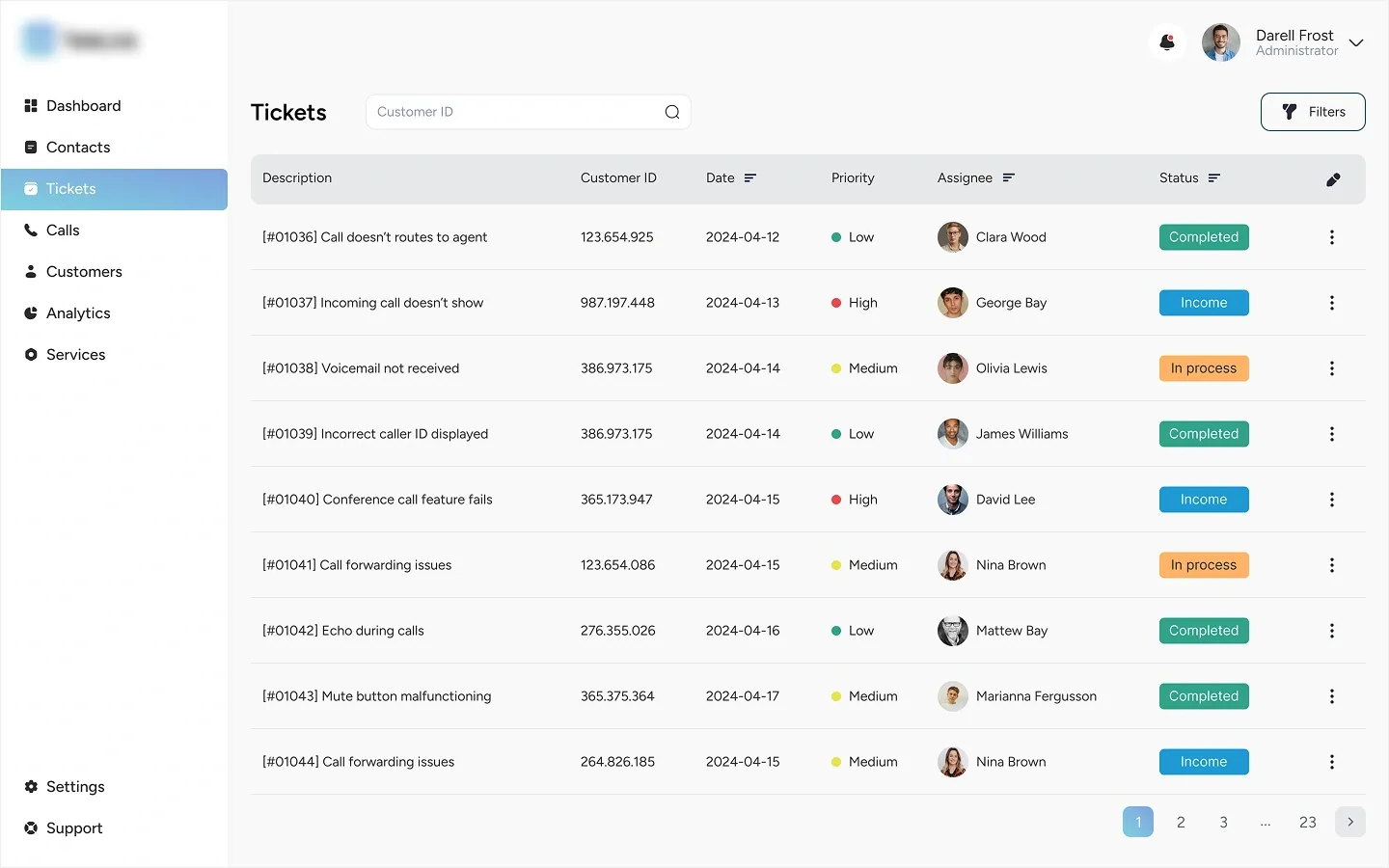
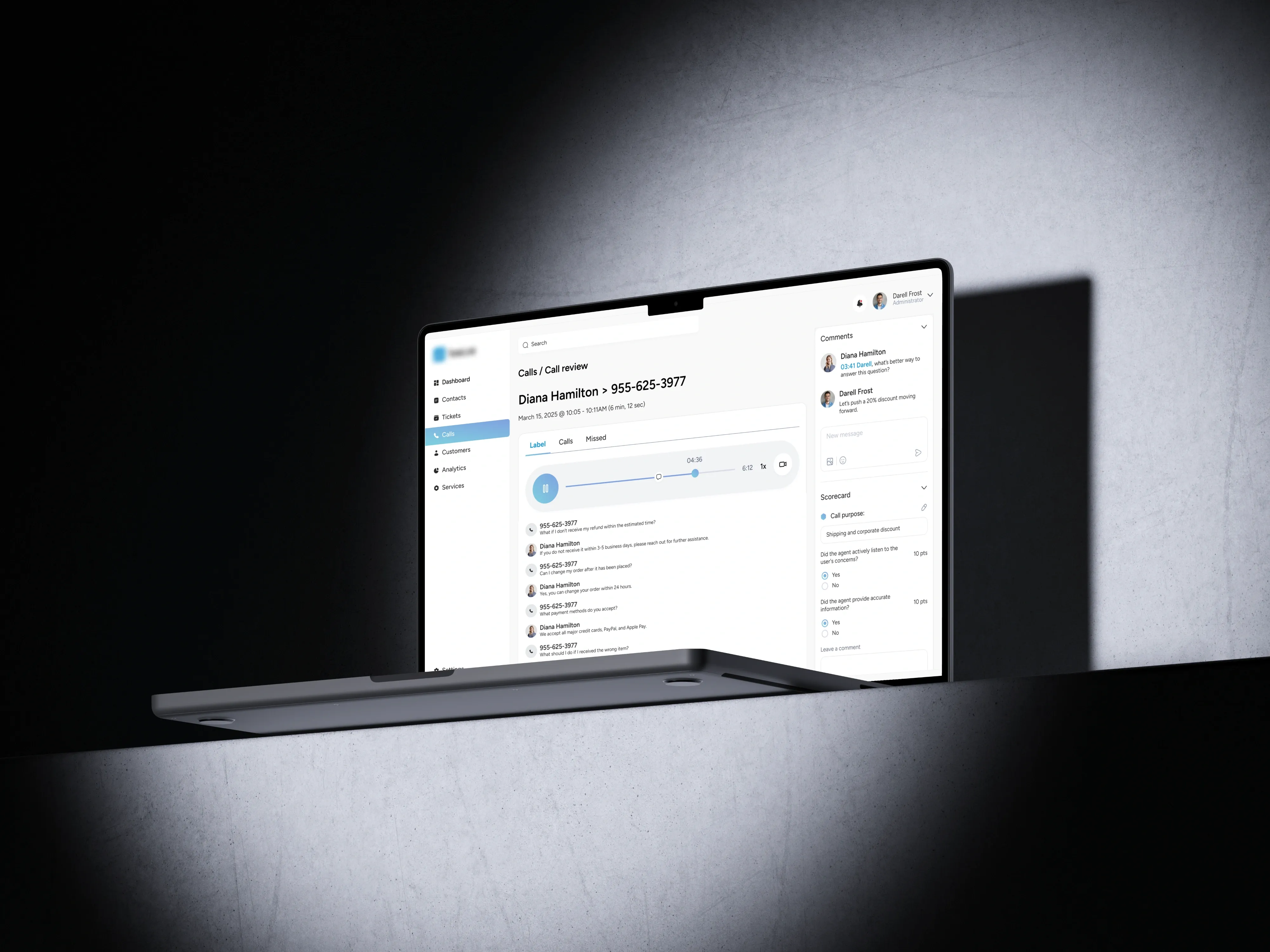
Unified agent workspace with real-time CRM data, interaction history, and automated case creation

AI chatbots handling high-volume, low-complexity requests across voice and chat channels
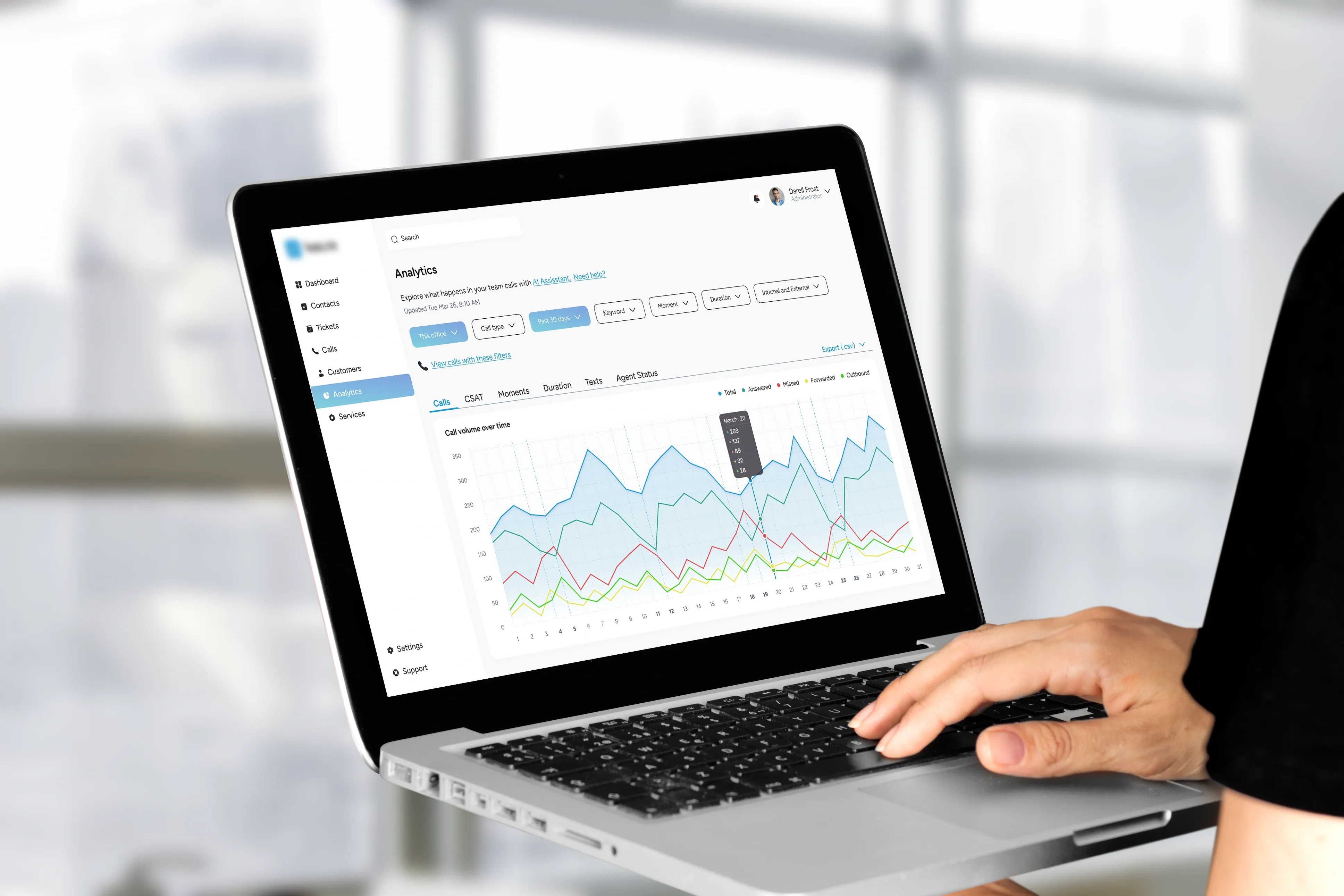
Live operational analytics covering call volumes, SLA adherence, churn drivers, and service quality trends
Project team
1
Project manager
1
Team lead
1
Business analyst
2
AI/ML engineers
5
Full-stack engineers
1
DevOps engineer
2
UI/UX designers
2
QA engineers

Development process
Analysis & planning
We validated business assumptions, defined measurable KPIs (wait time, churn, CSAT), and assessed whether legacy modernization made economic sense.
UI/UX design
User journeys were mapped for agents, supervisors, and customers. Interactive prototypes allowed early validation of workflows before development.
Development
Agile-based development with incremental releases, transparent reporting, and telecom-grade backend architecture designed for peak call volumes, delivering predictable timelines and scalability aligned with business growth.
Testing
Multi-layer testing covered performance, security, voice recognition accuracy, and stress scenarios to minimize post-launch incidents and protect customer data.
Client acceptance
Operational readiness and regulatory compliance were confirmed during joint acceptance sessions, enabling a controlled and disruption-free go-live.
Maintenance
After launch, continuous monitoring and AI model refinement drove higher automation accuracy and maintained long-term performance improvements.

Planning to modernize or rebuild your telecom call center?
Book a free consultation with Modsen to discuss automation scenarios, AI readiness, and the expected impact on wait times, churn, and customer satisfaction.
Business value delivered
Reduced waiting time
- AI-driven routing and chatbots shortened queues
- About 40% reduction in product spoilage and rejected deliveries
- Lower load during peak hours
Higher customer satisfaction
- Sentiment analysis and faster resolutions improved experience quality
- 21% increase in satisfaction scores
- Fewer escalations to supervisors
Lower churn
- Consistent handling and quicker issue resolution improved loyalty
- 31% reduction in churn attributed to service issues
Operational efficiency
- Automation absorbed routine requests without expanding headcount
- Better cost control
- Higher agent productivity

Let's calculate the accurate cost and resources required for your project